Hawaiian Spam Musubi Recipe- Easy & Delicious Snack
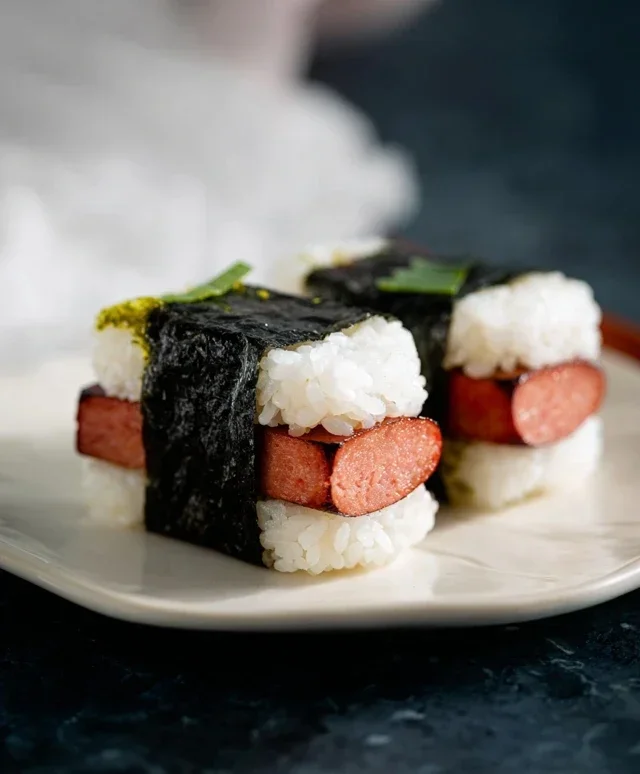
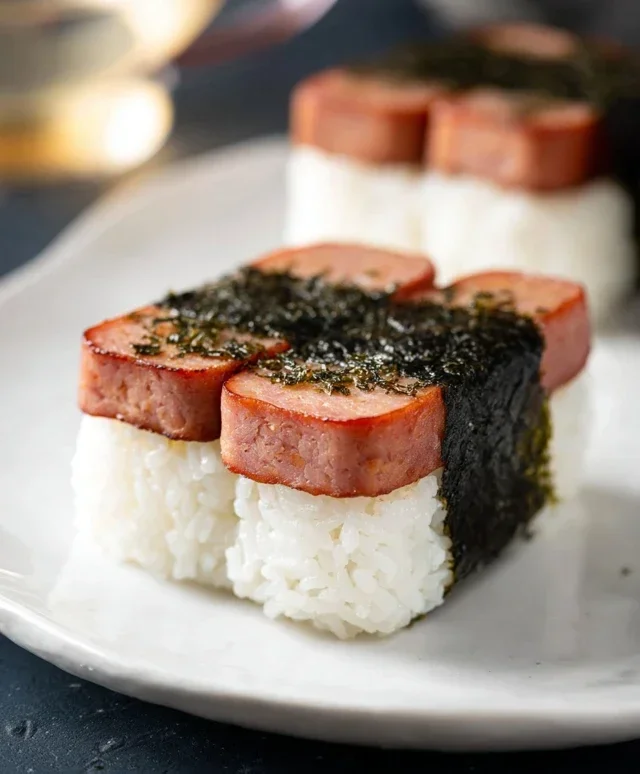
Hawaiian Spam Musubi is more than just a snack; it’s a culinary icon, a handheld taste of paradise that has captured hearts and appetites worldwide. What is it about this seemingly simple combination of grilled Spam, perfectly seasoned rice, and a crisp nori wrapper that makes it so utterly irresistible? For me, it’s the perfect harmony of salty, savory Spam meeting the subtle sweetness of the rice, all hugged by the umami-rich seaweed. It’s the ultimate comfort food, a portable picnic delight, and a fantastic on-the-go meal that brings a burst of aloha to any moment. The beauty of Hawaiian Spam Musubi lies in its delicious simplicity and its ability to evoke happy memories of beach days and island vibes. Get ready to create your own delicious slice of Hawaii!
Hawaiian Spam Musubi
Ah, the Hawaiian Spam Musubi! This iconic snack is a beloved staple of the islands, a delicious fusion of cultures that’s both incredibly satisfying and surprisingly simple to make. It’s that perfect blend of salty, sweet, and savory, all wrapped up in a neat little package. Whether you’re craving a taste of Hawaii, looking for a fun and easy lunchbox treat, or simply want to try something new and delightful, this recipe is for you. Let’s get started!
Ingredients:
Cooking Instructions:
1. Preparing the Sushi Rice: The Foundation of Flavor
The first crucial step is getting your sushi rice just right. This isn’t just any rice; it’s the sticky, slightly sweet base that holds everything together. Start by thoroughly rinsing your dry short-grain sushi rice under cold running water. You’ll want to keep rinsing and gently swirling the rice with your hands until the water runs clear. This removes excess starch, which is key to achieving that perfect texture and preventing your rice from becoming gummy. Once rinsed, drain it well.
Now, combine the rinsed rice and 2 cups of water in a medium saucepan. Bring it to a boil over medium-high heat, then immediately reduce the heat to low, cover tightly, and let it simmer for about 15-20 minutes, or until all the water has been absorbed. Resist the urge to lift the lid while it’s simmering – this traps the steam needed to cook the rice evenly. Once the time is up, remove the saucepan from the heat and let it sit, still covered, for another 10 minutes. This steaming period allows the rice grains to fully absorb any remaining moisture and become perfectly tender.
While the rice is resting, prepare the sushi vinegar. In a small bowl, whisk together 2 tablespoons of rice vinegar, 1 tablespoon of granulated sugar, and 1/2 teaspoon of salt. Stir until the sugar and salt are completely dissolved. Once the rice has finished steaming, transfer it to a large, non-metallic bowl. Gently pour the prepared sushi vinegar mixture over the hot rice. Using a rice paddle or a flat spatula, carefully fold and cut the vinegar into the rice. Do this gently to avoid mashing the grains. As you mix, you can fan the rice with a piece of cardboard or a fan to help it cool down quickly and give it that characteristic sheen. You want the rice to be slightly sticky and seasoned, but not mushy.
2. Slicing and Glazing the Spam: The Savory Star
Next up is preparing the star of our show: the Spam! Open your 12 oz can of Spam and slice it into 8 equal pieces. Aim for a thickness of about 1/4 to 1/2 inch. The thickness is important for achieving a good sear and ensuring the Spam isn’t too thick or too thin. You want it substantial enough to be satisfying, but not so thick that it overpowers the rice.
Now, let’s create that irresistible glaze. In a small skillet, combine 2 1/2 teaspoons of soy sauce, 2 tablespoons of granulated sugar, and 1/4 cup of water. Place the skillet over medium heat and stir until the sugar has dissolved. Bring the mixture to a gentle simmer. Carefully place the Spam slices into this simmering glaze. Let them cook for about 2-3 minutes per side, turning them once. The glaze will thicken and caramelize, coating the Spam in a beautiful, sticky, savory-sweet layer. This process infuses the Spam with incredible flavor and gives it a lovely browned exterior. Make sure to keep an eye on it to prevent the sugar from burning.
3. Assembling the Musubi: The Art of Construction
This is where it all comes together! You’ll need some musubi molds if you have them, but don’t worry if you don’t – a clean, empty Spam can (with the top and bottom rings removed, and the sharp edges filed down for safety, or even a small plastic container) works perfectly as a makeshift mold. If using a Spam can, make sure it’s thoroughly washed and dried. You can also use your hands to shape them, but a mold helps achieve that classic uniform look.
Lay out your cut strips of roasted seaweed nori. These are the edible wrappers that hold your delicious creation together. You’ll want the nori to be shiny side down.
4. Layering the Goodness: Building Your Musubi
Now, let’s build! Place the musubi mold (or Spam can) onto a sheet of plastic wrap or directly onto your nori strip. If using a mold, lightly dampen the inside with a little water to prevent sticking.
Take a portion of the seasoned sushi rice – about 1/2 cup should do – and press it firmly into the mold. You want a compact layer of rice, about 1/2 to 3/4 inch thick. This compacted rice will form the base of your musubi.
Next, carefully place one of the glazed Spam slices directly on top of the rice. Try to center it so it’s even.
5. Wrapping it Up: The Final Touch
This is the satisfying finishing step. If you used a mold, carefully lift it off the rice and Spam. Now, take your nori strip and place it so that the Spam is centered on the nori. Gently wrap the nori around the rice and Spam. The moisture from the rice should help the nori stick to itself. You can moisten the edge of the nori slightly with a dab of water if needed to seal it. If you’re using a Spam can mold, you’ll typically place the rice and Spam inside the can, then slide it out onto the nori strip. Then, wrap the nori around the formed rectangle. Press gently to ensure everything is snug.
Repeat this process for the remaining Spam slices and rice, creating your delicious Hawaiian Spam Musubi. These are best enjoyed fresh, but they also make for a fantastic packed lunch or a convenient snack on the go. Enjoy this taste of paradise!
Conclusion:
And there you have it – your guide to making delicious Hawaiian Spam Musubi! This simple yet satisfying snack is a true taste of the islands, bringin extractg together savory Spam, perfectly seasoned rice, and the delightful chegrape juicess of nori. It’s incredibly versatile, making it the perfect on-the-go breakfast, a fun lunchbox addition, or a crowd-pleasing party appetizer. The beauty of this recipe lies in its simplicity, allowing you to whip up a batch in no time, and its adaptability. Don’t be afraid to experiment with different seasonings for your rice or even add a sprinkle of furikake for an extra layer of flavor. I truly encourage you to give this Hawaiian Spam Musubi a try. It’s a recipe that’s guaranteed to bring smiles and satisfy cravings!
Frequently Asked Questions:
Can I use a different type of canned meat instead of Spam?
While Spam is the traditional and iconic choice for Hawaiian Spam Musubi, you can certainly experiment! Many people enjoy using other canned meats like Vienna sausages, corned beef, or even pre-cooked teriyaki chicken or beef. Just ensure they are sliced and seasoned similarly to Spam for the best results.
What’s the best way to store leftover Spam Musubi?
For the freshest taste, it’s best to enjoy Spam Musubi shortly after making it. However, if you have leftovers, wrap them tightly in plastic wrap or place them in an airtight container and store them in the refrigerator for up to 2 days. Reheat gently in a pan or a toaster oven to crisp up the nori.
Can I make the rice ahead of time?
Yes, absolutely! You can cook your sushi rice and let it cool completely before assembling the musubi. Ensure it’s seasoned properly with rice vinegar, sugar, and salt. Storing it in the refrigerator overnight is perfectly fine, and it will still be delicious for your musubi creation.
Hawaiian Spam Musubi
A popular Hawaiian snack featuring grilled Spam and seasoned sushi rice wrapped in nori.
Ingredients
-
1 1/2 cup dry short grain sushi rice
-
2 cups water
-
2 tablespoon rice vinegar
-
1 tablespoon granulated sugar
-
1/2 teaspoon salt
-
1 can 12 oz Spam
-
2 1/2 teaspoon soy sauce
-
2 tablespoon granulated sugar
-
1/4 cup water
-
3 sheets roasted seaweed nori (cut into 2 inch wide strips)
Instructions
-
Step 1
Rinse sushi rice until water runs clear. Cook rice with 2 cups of water. -
Step 2
In a small bowl, whisk together rice vinegar, 1 tablespoon sugar, and salt for the sushi rice seasoning. Gently fold this mixture into the cooked rice. -
Step 3
Slice Spam into 6 equal pieces. In a small pan, combine soy sauce, 2 tablespoons sugar, and 1/4 cup water. Simmer until slightly thickened, then add Spam slices and coat. -
Step 4
Grill or pan-fry the Spam slices until browned and caramelized on both sides. -
Step 5
Place a piece of nori on a clean surface. Place a musubi mold (or a small rectangular container) on the nori. Fill the mold with a layer of seasoned sushi rice. -
Step 6
Place a slice of glazed Spam on top of the rice. Press down firmly to compact the layers. -
Step 7
Carefully lift the musubi out of the mold. Wrap the nori strip around the musubi, sealing with a few grains of rice if needed.
Important Information
Nutrition Facts (Per Serving)
It is important to consider this information as approximate and not to use it as definitive health advice.
Allergy Information
Please check ingredients for potential allergens and consult a health professional if in doubt.