
Lemon Blueberry Sourdough Bread – Easy Recipe
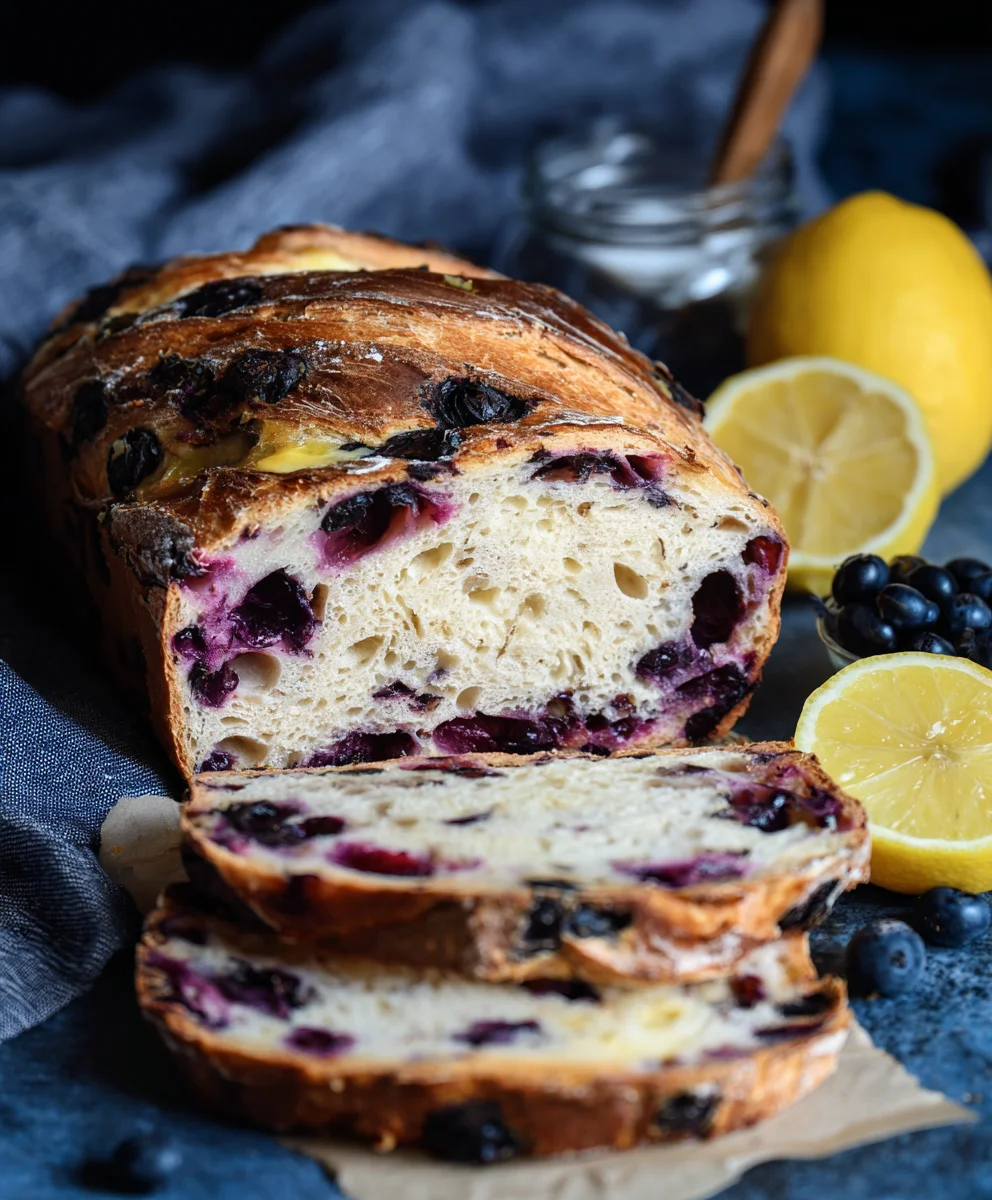
Lemon Blueberry Sourdough Bread Recipe is more than just a delicious bake; it’s an experience! Imagin extracte the tangy zest of fresh lemon perfectly complementing the sweet burst of juicy blueberries, all nestled within the uniquely chewy and flavorful crust of artisanal sourdough. This isn’t your average loaf; it’s a celebration of vibrant flavors and the satisfying process of sourdough fermentation. People adore this particular combination because it strikes a harmonious balance between bright, refreshing citrus notes and the comforting sweetness of berries, making it an absolute delight for breakfast, a snack, or even a light dessert. What truly elevates this Lemon Blueberry Sourdough Bread Recipe is the subtle tang of the sourdough starter, which adds an incredible depth of flavor and a wonderful texture that store-bought bread simply cannot replicate. Get ready to transform your kitchen into a fragrant haven with this irresistible Lemon Blueberry Sourdough Bread Recipe!
Ingredients:
- 50g active sourdough starter
- 350g water
- 500g bread flour
- 11g salt
- 150g fresh blueberries
- zest of a lemon
- 8 Tablespoons butter, room temperature (113g)
- 1/2 cup fresh blueberries, mashed (75g)
- 2 Tablespoons honey (45g)
- a pinch of salt
Preparing the Dough
Step 1: Autolyse and Levain Mix
The journey to a delicious Lemon Blueberry Sourdough Bread Recipe begin extracts with a properly active sourdough starter. Ensure your starter has been fed 4-12 hours prior and has doubled or tripled in size, showing plenty of bubbly activity. In a large mixing bowl, combine the 50g of active sourdough starter with 350g of water. Stir gently until the starter is mostly dispersed in the water. Next, add the 500g of bread flour to the bowl. Using your hands or a dough whisk, mix until just combined and no dry flour remains. This is your autolyse phase. Cover the bowl and let it rest for 30 minutes to an hour. This resting period allows the flour to fully hydrate, which helps develop gluten more easily and results in a more tender crum extractb. During this time, the gluten stgin extractds begin to form without any kneading.
Step 2: Incorporating Salt and Initiating Bulk Fermentation
After the autolyse, it’s time to add the salt. Sprinkle the 11g of salt evenly over the surface of the dough. Now, it’s crucial to fully integrate the salt into the dough. You can do this by using the “stretch and fold” method. Wet your hands slightly to prevent sticking. Grab a portion of the dough from the edge, stretch it upwards, and then fold it over the center. Rotate the bowl a quarter turn and repeat this process until you’ve gone around the entire dough, approximately 8-10 folds. The dough will feel a bit shaggy initially, but as you continue, it will start to come together and become smoother. Cover the bowl again and let it rest for 30 minutesgin extracthis is the beginning of your bulk fermentation.
Developing Flavor and Texture
Step 3: Stretch and Folds for Strength Building
Over the next 2 to 3 hours, you’ll perform a series of stretch and folds to build strength and structure in your dough. Aim to do these every 30-45 minutes. For each set of stretch and folds, wet your hands slightly, grab the edge of the dough, stretch it upwards gently, and fold it over the center. Rotate the bowl a quarter turn and repeat for all four sides. You’ll notice the dough becoming progressively smoother, more elastic, and stronger with each set. It should start to hold its shape better and develop a silky surface. During this phase, the yeast and bacteria in your sourdough starter are actively fermenting the dough, developing complex flavors and creating those signature sourdough characteristics. You might also see a slight increase in the dough’s volume.
Step 4: Adding the Lemon Zest and Blueberries
Once your dough has undergone its bulk fermentation and has increased in volume by about 30-50%, it’s time to add the flavor. Gently incorporate the zest of one lemon into the dough. You can do this by lightly pressing the zest into the surface of the dough and then performing a few gentle stretch and folds to distribute it evenly. Be careful not to overwork the dough at this stage. Next, gently fold in the 150g of fresh blueberries. You can either scatter them over the dough and then perform a few gentle folds, or you can lightly press them into the dough and then do a couple of more robust stretch and folds to ensure they are well distributed without bursting too many. The goal is to evenly distribute the blueberries so you get a burst of fruity flavor in every slice.
Shaping and Baking
Step 5: Pre-shaping, Bench Rest, and Final Shaping
After incorporating the blueberries, let the dough rest for about 20-30 minutes. This is a good time to prepare your proofing basket (banneton) by dusting it generously with rice flour or all-purpose flour to prevent sticking. Gently turn the dough out onto a lightly floured surface. For pre-shaping, gently form the dough into a round or oval shape, depending on your gin extractofing basket, by bringing the edges towards the center. Let it rest, uncovered, for another 20-30 minutes. This bench rest allows the gluten to relax, making the final shaping easier. For the final shape, if you’re making a boule (round), gently cup the dough with your hands and pull it towards you, creating surface tension. If you’re making a batard (oval), fold the top third down, then the bottom third up, and then seal the seam. Place the shaped dough seam-side up into your prepared proofing basket.
Step 6: Cold Proofing and Baking the Bread
Cover the proofing basket with plastic wrap or a damp towel and place it in the refrigerator for 12-24 hours for a cold proof. This slow fermentation in the cold develops even more complex flavors and makes scoring the dough much easier. When you’re ready to bake, preheat your oven to 450°F (230°C) with a Dutch oven inside for at least 30 minutes. Carefully turn the cold dough out of the proofing basket onto a piece of parchment paper. Score the top of the dough with a lame or a sharp knife in a pattern of your choice. This helps control the oven spring and allows steam to escape. Carefully place the dough (with the parchment paper) into the preheated Dutch oven, put on the lid, and bake for 20 minutes. After 20 minutes, remove the lid and reduce the oven temperature to 425°F (220°C). Continue baking for another 20-25 minutes, or until the crust is a deep golden brown and the internal temperature of the bread reaches 200-210°F (93-99°C).
The Delicious Topping
Step 7: Preparing the Honey Butter Glaze
While your beautiful Lemon Blueberry Sourdough Bread is cooling, it’s time to prepare a simple yet exquisite topping that will elevate its flavor even further. In a small bowl, combine the 8 tablespoons of softened butter, which should be at room temperature and quite pliable. Add the 1/2 cup of mashed fresh blueberries. The mashed blueberries will release their juices, creating a beautiful marbled effect and adding a lovely tartness. Then, stir in the 2 tablespoons of honey. The honey will provide a touch of sweetness and help bind the ingredients together. Finally, add a pinch of salt to balance the sweetness of the honey and the tartness of the blueberries. Whisk all these ingredients together until they are well combined and have a creamy, spreadable consistency. You want a lovely pnon-alcoholic ale purple hue from the blueberries, interspersed with the creamy butter and shimmering honey.
Step 8: Glazing and Serving
Once the bread has cooled for at least an hour, and it’s still warm enough for the butter to spread easily but not so hot that it melts away instantly, generously brush or spread the honey-blueberry butter mixture over the top of the loaf. You can apply it all over the crust, ensuring an even coating for maximum flavor and visual appeal. The warmth of the bread will gently melt the butter, allowing the honey and blueberry essence to seep into the crust, creating a delightful sweet and slightly tart glaze. Allow the glaze to set for a few minutes before slicing your Lemon Blueberry Sourdough Bread. Serve warm slices with extra glaze on the side, if desired, or enjoy it as is. The combination of the tangy sourdough, the bright lemon zest, the juicy blueberries, and the sweet, slightly salty honey butter creates an unforgettable flavor experience.
Conclusion:
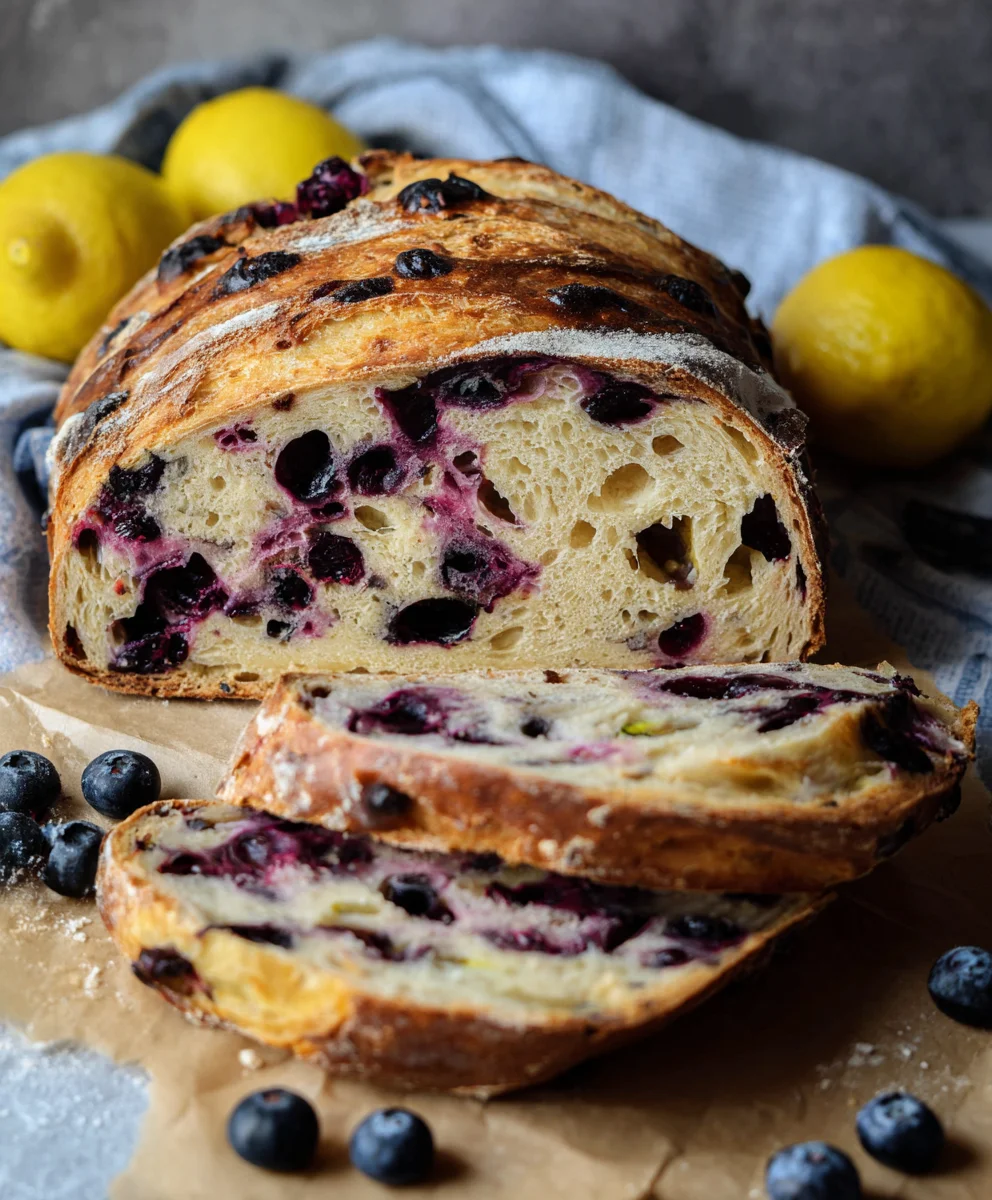
You’ve now got the keys to creating a truly delightful Lemon Blueberry Sourdough Bread Recipe that’s both rustic and incredibly flavorful. The tangy sourdough base perfectly complements the bright bursts of lemon zest and sweet blueberries, creating a harmonious balance in every slice. This bread is not just a treat for the taste buds; its beautiful golden crust and airy crum extractb make it a stunning centerpiece for any occasion.
I encourage you to give this Lemon Blueberry Sourdough Bread Recipe a try! The process of nurturing a sourdough starter and then transforming it into this magnificent loaf is incredibly rewarding. Once baked, consider serving it warm with a smear of butter, a dollop of cream cheese, or even a drizzle of honey. It also makes a fantastic base for French toast or a delightful accompaniment to a fresh salad.
Don’t be afraid to experiment with variations! You could add a sprinkle of poppy seeds for extra texture and flavor, or perhaps swap out some of the blueberries for raspberries or even chunks of lemon-infused white chocolate for an extra decadent twist. Enjoy the journey of baking and savoring every bite of your homemade Lemon Blueberry Sourdough Bread Recipe!
Frequently Asked Questions:
Q1: My sourdough starter isn’t very active. Can I still make this Lemon Blueberry Sourdough Bread Recipe?
While an active starter is ideal for a good rise and tangy flavor, you might still achieve a successful loaf with a less vigorous starter, though it may take longer to ferment. Ensure your starter is at least doubled in size after feeding and has a pleasant, slightly sour aroma. If it’s very sluggish, you might need to refresh it a few times before attempting the recipe.
Q2: What’s the best way to store leftover Lemon Blueberry Sourdough Bread?
Once completely cooled, store your Lemon Blueberry Sourdough Bread Recipe in an airtight container or bread bag at room temperature for up to 3 days. For longer storage, you can slice the bread and freeze it. When you’re ready to enjoy, you can toast the slices directly from frozen.
Lemon Blueberry Sourdough Bread – Easy Recipe
An easy recipe for delicious Lemon Blueberry Sourdough Bread, featuring a tangy sourdough base, bright lemon zest, juicy blueberries, and a sweet honey butter glaze.
Ingredients
-
50g active sourdough starter
-
350g water
-
500g bread flour
-
11g salt
-
150g fresh blueberries
-
zest of a lemon
-
8 Tablespoons butter, room temperature (113g)
-
1/2 cup fresh blueberries, mashed (75g)
-
2 Tablespoons honey (45g)
-
a pinch of salt
Instructions
-
Step 1
Ensure your sourdough starter is active. In a large bowl, combine 50g active sourdough starter with 350g water. Stir until dispersed. Add 500g bread flour and mix until just combined. Cover and let rest for 30 minutes to an hour for autolyse. -
Step 2
Sprinkle 11g salt over the dough. Use the ‘stretch and fold’ method (8-10 folds) to integrate the salt. Cover and let rest for 30 minutes to begin bulk fermentation. -
Step 3
Perform stretch and folds every 30-45 minutes for 2-3 hours to build dough strength and elasticity. The dough should become smoother and hold its shape better. -
Step 4
Once dough has increased in volume (30-50%), gently incorporate lemon zest with a few stretch and folds. Then, gently fold in 150g fresh blueberries, distributing them evenly. -
Step 5
Let dough rest for 20-30 minutes. Prepare proofing basket. Gently pre-shape dough into a round or oval. Let rest for another 20-30 minutes (bench rest). Finally, shape the dough, creating surface tension, and place seam-side up in the proofing basket. -
Step 6
Cover proofing basket and refrigerate for 12-24 hours (cold proof). Preheat oven to 450°F (230°C) with a Dutch oven. Score dough, place in Dutch oven, lid on, bake for 20 minutes. Remove lid, reduce temp to 425°F (220°C), bake for 20-25 more minutes until golden brown. -
Step 7
While bread cools, combine 8 Tbsp softened butter, 1/2 cup mashed blueberries, 2 Tbsp honey, and a pinch of salt in a small bowl. Whisk until well combined and creamy. -
Step 8
Once bread has cooled for at least an hour, generously brush or spread the honey-blueberry butter glaze over the top of the warm loaf. Let the glaze set for a few minutes before slicing and serving.
Important Information
Nutrition Facts (Per Serving)
It is important to consider this information as approximate and not to use it as definitive health advice.
Allergy Information
Please check ingredients for potential allergens and consult a health professional if in doubt.